
Pudgy Penguins is putting its PENGU characters in front of a much bigger audience.
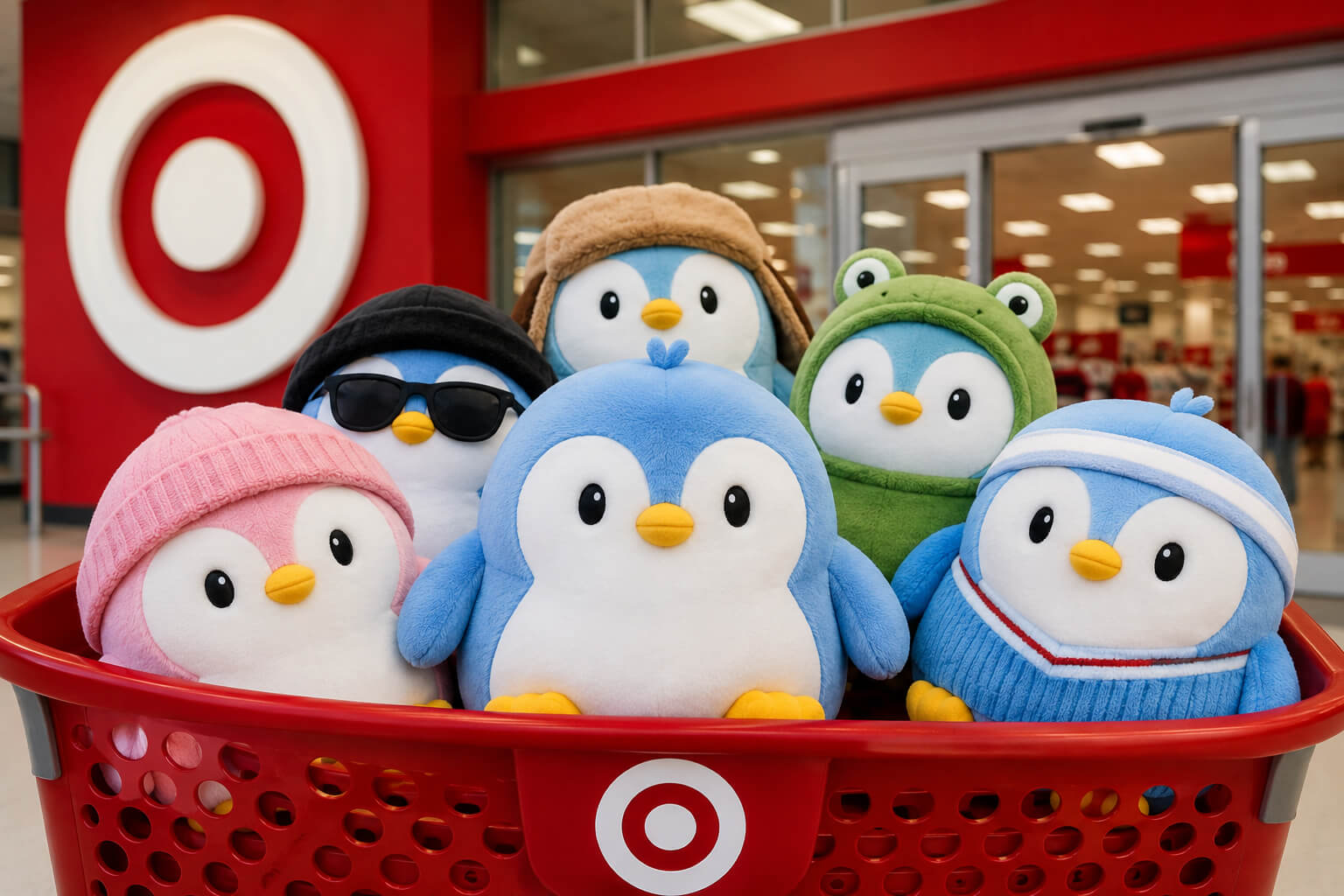
The NFT-born brand has launched PENGU plushies across Target stores in the United States, marking what the project describes as its largest physical retail expansion so far.
No crypto wallet needed. No marketplace account. No explanation of gas fees.
The penguins are simply sitting in the toy aisle, where parents, children and casual shoppers can discover them alongside traditional entertainment brands.
For an NFT project, that is a fairly big shift.
PENGU Plushies Bring Pudgy Penguins Into Mainstream Retail
The rollout places PENGU plush toys in more than 1,800 Target locations across the US, according to reports covering the launch.
Pudgy Penguins announced the expansion on July 19, saying the retail debut would introduce the character to millions of people who may have no previous connection to NFTs or Web3.
That audience matters.
Most NFT projects still depend heavily on crypto-native communities. Their products live on marketplaces, Discord servers and social media feeds that rarely reach the average shopper.
Target changes that immediately.
A customer does not need to understand blockchain technology to like a soft penguin toy. The physical product comes first. The NFT history can remain in the background—or become something the buyer discovers later.
Pudgy Penguins Is Becoming More Than an NFT Collection
Pudgy Penguins started as a collection of 8,888 penguin-themed NFTs on Ethereum in 2021.
It could have stayed there.
Instead, the team gradually pushed the characters into toys, books, games, animated content and other consumer products. The strategy looks less like a typical NFT roadmap and more like an attempt to build a lasting entertainment property.
That difference has become increasingly important as the NFT market has struggled with falling trading activity, unstable prices and reduced mainstream attention.
Digital collectibles can create a passionate community. They do not automatically create a dependable business.
Plush toys can help.
They offer another source of revenue while allowing the brand to reach families and younger audiences who may never purchase an NFT. The product also gives Pudgy Penguins a physical presence that cannot disappear when crypto trading slows down.
Target Launch Follows the Pudgy Vibes Trading Card Rollout
The plushie expansion did not arrive completely out of nowhere.
In June 2026, Pudgy Penguins launched its Pudgy Vibes Trading Card Game Season 3 collection in Target stores nationwide. The release placed the brand inside one of the most active areas of physical collectibles while also connecting community-owned intellectual property with printed cards.
Pudgy Penguins said that collection included artwork and intellectual property licensed from 90 NFT holders.
That is one of the more interesting parts of the project’s retail strategy.
Characters that began as privately held digital assets can appear inside products sold to everyday consumers. In theory, this gives holders a route to participate in the growth of the wider brand rather than relying entirely on NFT resale value.
The PENGU plushies now extend that strategy into another familiar product category. Trading cards attract collectors. Plush toys can reach nearly anyone.
Physical Products Could Give NFT Brands a Longer Life
The broader NFT sector has spent years trying to answer an uncomfortable question: what happens after the initial collection sells out?
Royalties helped for a while. Secondary-market trading created revenue and attention. Token launches offered another burst of activity.
None of those models guarantees long-term relevance.
Retail products work differently. A successful toy can keep selling even when the related NFT collection is not trending. It can also introduce the intellectual property to customers who care about the character but have little interest in the blockchain behind it.
Pudgy Penguins appears to understand that distinction.
The brand is not asking Target shoppers to become crypto enthusiasts before buying something. It is offering a recognizable, family-friendly character first. Web3 becomes part of the story rather than the entire sales pitch.
That may be a more realistic path for NFT projects looking beyond short-term speculation.
The Retail Push Does Not Guarantee PENGU Token Growth
A major retail launch can strengthen brand awareness, but it does not automatically create demand for a related cryptocurrency.
Reports following the Target announcement noted that the PENGU token continued facing bearish market pressure despite the visibility created by the plushie rollout.
That disconnect should not be surprising.
A child buying a plush penguin is not necessarily going to purchase PENGU tokens. A parent picking up a toy may never know that the token exists. Retail success and token performance can support each other, but they remain separate parts of the ecosystem.
The more meaningful test will come later.
Can Pudgy Penguins turn toy buyers into repeat customers? Will those customers explore its games, digital collectibles or online community? And can the brand build enough recognition to stand on its own outside crypto?
A shelf inside Target creates the opportunity. It does not complete the job.
Pudgy Penguins Is Testing a Different NFT Survival Strategy
Pudgy Penguins is not abandoning NFTs.
It is trying to make them less visible at the front door.
That may sound strange for a project built on Ethereum, but it makes commercial sense. Most people do not buy products because they use blockchain technology. They buy because the design is appealing, the character feels familiar or the item looks fun.
PENGU plushies can do that without a technical explanation.
The Target rollout gives Pudgy Penguins access to shoppers at a scale that even a successful NFT marketplace cannot easily provide. It also puts the project next to established toy brands, where the penguins will have to compete on design and popularity rather than crypto reputation.
A tougher test, perhaps. Also a more useful one.
For now, Pudgy Penguins has moved another step away from being known only as an NFT collection. The project wants PENGU to become a mainstream character brand.
Target’s toy aisles are where that ambition starts becoming real.
Sources
- Global Crypto TV: Pudgy Penguins Launches PENGU Plushies at Target
- Pudgy Penguins: Official Website
- Pudgy Media: June 2026 Retail Expansion Update
- Target: Pudgy Penguins Products
- eGamers.io: PENGU Plushies Land in Over 1,800 Target Stores
- AMBCrypto: PENGU Retail Push and Token Reaction