
Key Takeaways
- Panini Ethereum collectibles transform fan interaction by integrating blockchain for greater control and ownership.
- The shift from physical to digital collectibles allows easier collection, trading, and storage for fans.
- Self-custody empowers collectors to manage their own assets directly, ensuring authenticity through blockchain verification.
- Panini blends traditional trading cards with NFT technology, attracting both existing collectors and new, tech-savvy audiences.
- This evolution in collectibles hints at a future where NFTs gain practical value and appeal for mainstream users.
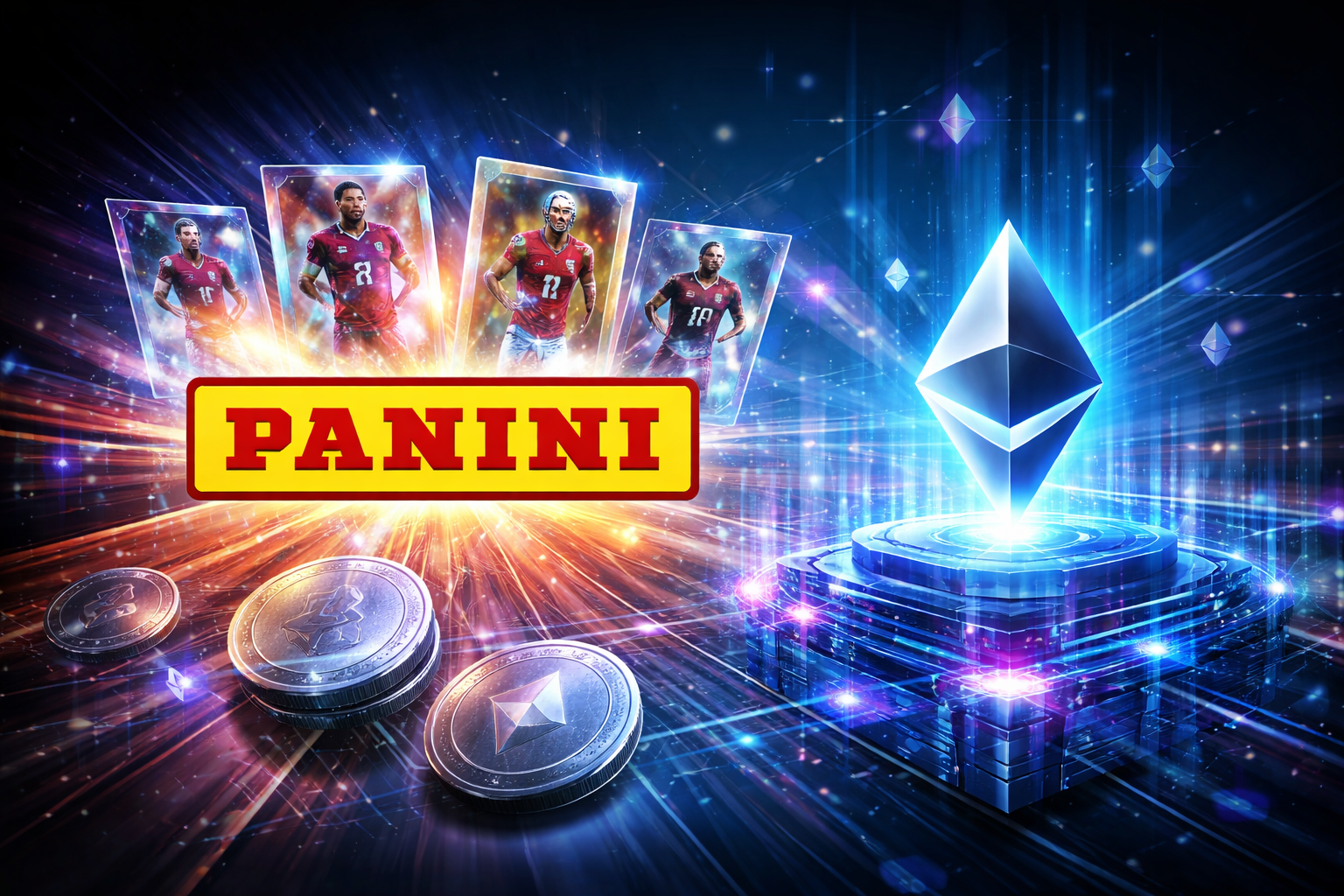
Panini Ethereum collectibles are changing the way fans collect and interact with trading cards. The iconic brand is moving beyond traditional sticker books and stepping into blockchain-based ownership, giving collectors more control through Ethereum and self-custody.
From sticker books to blockchain innovation
For years, Panini has been a household name in physical collectibles, especially sports stickers and trading cards. Now, it’s taking a big step forward by bringing blockchain into the mix.
Rather than relying only on physical items, Panini is introducing digital versions that reflect real-world collectibles. This makes it easier for fans to collect, trade, and store their items in a more flexible and modern way.
It’s also part of a bigger shift happening across the collectibles space, where digital ownership is starting to carry just as much weight as physical items.
How Panini Ethereum collectibles enable self-custody
One of the biggest changes with Panini Ethereum collectibles is the move toward self-custody. Instead of platforms holding your assets, collectors now have direct control.
That means you can store your collectibles in your own wallet, without depending on a centralized system. It’s a core idea in Web3, giving users full ownership of what they own.
Using Ethereum also adds a layer of trust. Every collectible can be verified on the blockchain, making it easier to prove authenticity and reducing the chances of fakes.
Bridging physical and digital collectibles
Panini isn’t leaving its traditional products behind. Instead, it’s blending physical collectibles with digital ones to create a more connected experience.
Imagine owning a physical card that also has a digital version tied to it. This combination makes collecting more engaging and adds extra value for fans.
It’s a smart move that appeals not only to longtime collectors but also to a new, more tech-savvy audience.
What this means for the future of NFTs
The rise of Panini Ethereum collectibles shows how NFTs are evolving. It’s no longer just about digital art or hype, there’s a growing focus on real-world use and practical value.
This approach could make NFTs more appealing to everyday users and help bring them into the mainstream. It also proves that established brands can successfully adapt to the Web3 space.
As more companies follow this direction, the gap between physical and digital ownership will continue to shrink.
Conclusion:
Panini Ethereum collectibles mark an exciting shift in the collectibles world, blending tradition with new technology. With self-custody and hybrid ownership becoming more important, Panini could be setting the tone for what’s next. Stay tuned for more updates in the NFT space.