
Key Takeaways
- Programmable NFTs enhance digital ownership with smart contracts that enforce rules automatically during transactions.
- NFTs are unique digital assets verified by distinct identifiers and metadata on blockchain networks.
- Smart contracts define NFT ownership rules, facilitating automatic execution during transfers without centralized authority.
- Dynamic metadata allows NFTs to update based on events, enhancing their ability to represent assets on blockchain systems.
- Programmable NFTs are vital to Web3 infrastructure, enabling tokenization of real-world assets and automated management through software agents.
Programmable NFTs expand how digital ownership works on blockchain networks. These tokens contain rules written into smart contracts. Programmable NFTs allow ownership conditions to be enforced automatically during transactions. This structure moves NFTs beyond digital collectibles and artwork.
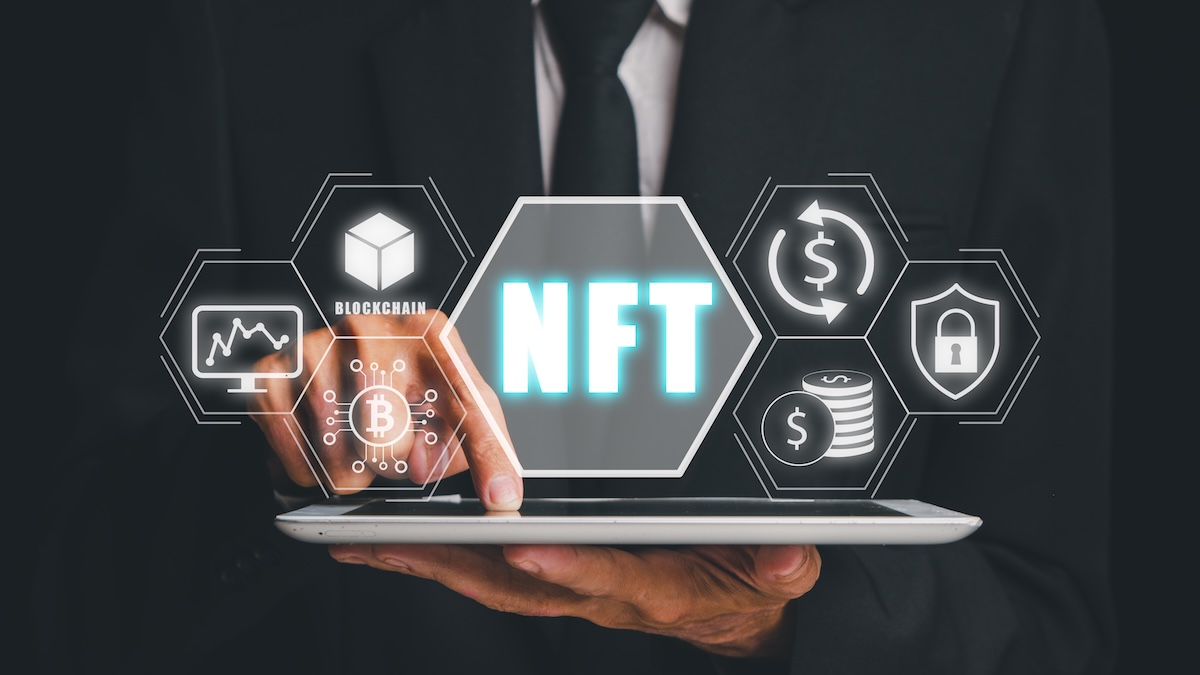
A non-fungible token is a unique digital asset stored on a blockchain. Each token has a distinct identifier and metadata. These elements verify ownership of digital or physical items. Unlike cryptocurrencies, NFTs cannot be exchanged on a one-to-one basis because every token is different.
Ownership Rules Through Smart Contracts
Smart contracts define the rules attached to NFTs. These blockchain programs execute automatically when transactions occur. Programmable NFTs can include conditions for transfers, permissions, or royalties.
When a token changes ownership, the smart contract applies the rules embedded in the code. The process happens automatically on the blockchain. No centralized authority is required to enforce the conditions.
Every transaction is recorded on a distributed ledger. The blockchain stores the complete history of transfers. Anyone can verify ownership by checking the public record.
Metadata and Dynamic NFT Functions
Metadata describes the information linked to an NFT. This data may include asset details, ownership information, or other identifiers. Some programmable NFTs allow metadata to update based on specific events.
Smart contracts can trigger metadata changes. These changes may occur when conditions are met or actions take place. The NFT can therefore adjust its associated data without altering the original token structure.
Dynamic metadata expands how NFTs can represent assets and information on blockchain systems.
Role in Web3 Infrastructure
Programmable NFTs are increasingly connected to Web3 development. Web3 refers to decentralized internet systems built on blockchain technology. These systems rely on tokens to represent ownership and digital identity.
NFTs can also represent real-world assets through tokenization. Physical items or financial instruments may be recorded as blockchain tokens. Programmable NFTs can store rules that govern how these assets are transferred or managed.
Software agents may interact with these tokens through smart contracts. The contracts define how transactions occur and how assets are handled.
Source: https://nftnewstoday.com/2026/03/03/nfts-as-programmable-ownership-layers