
Key Takeaways
- XRP tokenized finance is emerging as a key infrastructure for tokenized financial systems and real-world assets.
- Tokenization enhances rapid settlement, transparency, and global access to real-world assets on blockchains.
- The XRP Ledger enables efficient management of tokenized assets with low fees and swift transactions.
- XRP could serve as a bridge asset, facilitating value movement between tokenized assets and fiat currencies.
- The growth of XRP tokenized finance may influence NFTs, enabling more utility driven applications beyond just digital art.
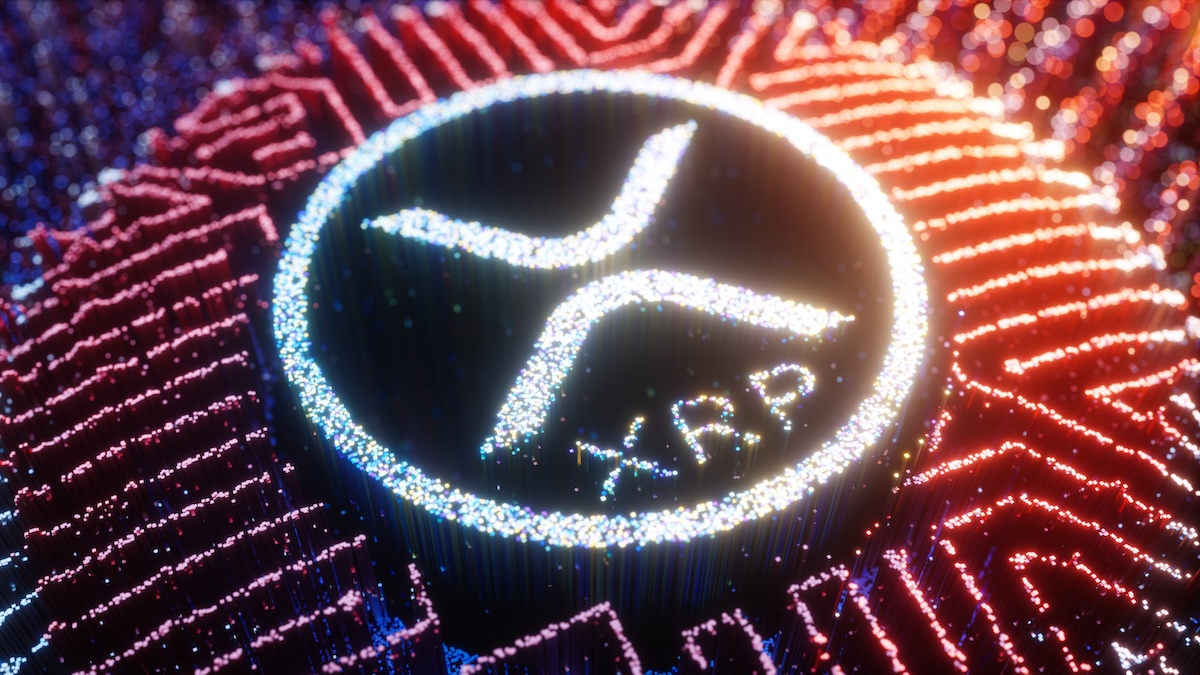
XRP tokenized finance is gaining attention as new discussions highlight how XRP could evolve into a core infrastructure layer for tokenized financial systems and real-world assets.
The Rise of Tokenized Finance on Blockchain
Tokenized finance is becoming one of the most important trends in Web3. It involves turning real-world assets like stocks, bonds, and real estate into digital tokens on blockchain networks.
This shift allows for faster settlement, improved transparency, and global accessibility. Major financial institutions are already exploring tokenization as a way to modernize traditional systems.
Within this context, XRP is being positioned as a potential backbone for handling these tokenized assets at scale.
How XRP Tokenized Finance Could Work
The concept of XRP tokenized finance centers on using the XRP Ledger for issuing, transferring, and settling tokenized assets efficiently.
The XRP Ledger is known for its low fees and fast transaction speeds. These features make it suitable for handling high-volume financial activity, especially when compared to slower or more expensive networks.
Supporters argue that XRP could act as a bridge asset. It may help move value between different tokenized assets and fiat currencies while maintaining liquidity across markets.
This functionality is particularly relevant for cross-border payments and real-time settlement, where delays and costs remain major challenges.
Why XRP Could Become a Financial Backbone
One of the key reasons XRP is being discussed in this context is its existing infrastructure. The network has long focused on payments and financial institutions, giving it a foundation that aligns with tokenized finance.
If adoption grows, XRP could support a wide range of use cases. These include tokenized securities, stablecoins, and even central bank digital currencies.
Its interoperability could also play a role in connecting different blockchain ecosystems, making it easier to transfer value across platforms.
However, this vision depends on regulatory clarity and continued institutional interest, both of which remain evolving factors.
What This Means for NFTs and Web3
While XRP tokenized finance is primarily focused on financial assets, the implications extend to NFTs and digital ownership.
Tokenization infrastructure can support new types of NFTs tied to real-world value. This could include fractional ownership models or asset-backed collectibles.
For creators and developers, it opens the door to building more utility-driven NFTs that go beyond art and into finance, gaming, and real-world applications.
For collectors, it signals a shift toward NFTs that carry deeper functionality and integration with broader financial systems.
Conclusion:
XRP tokenized finance highlights a future where blockchain supports real-world assets at scale. If the infrastructure and adoption align, XRP could play a central role in this transformation. Stay updated as tokenization continues to reshape Web3 and global finance.
👉 Source: https://nftnewstoday.com/2026/04/06/how-xrp-could-become-the-backbone-of-tokenized-finance